

Made from organic & wildcrafted herbs
Every product starts with herbs that are either certified organic or wildcrafted by hand. No fillers, no synthetic additives, no shortcuts on sourcing.

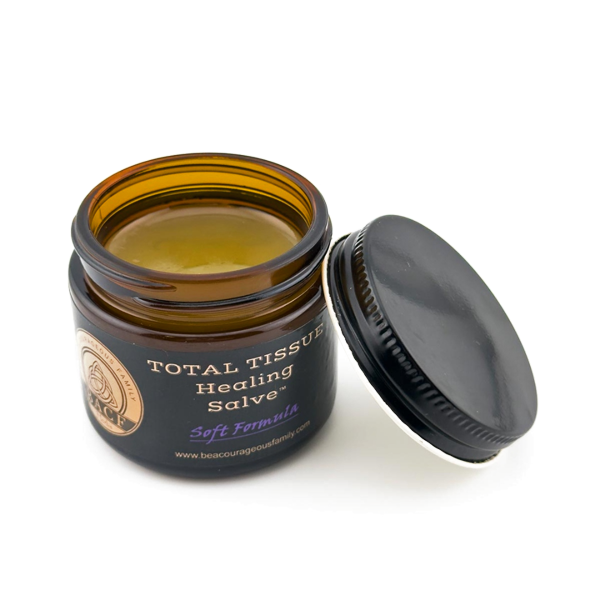
Herbal Salves
topical healing
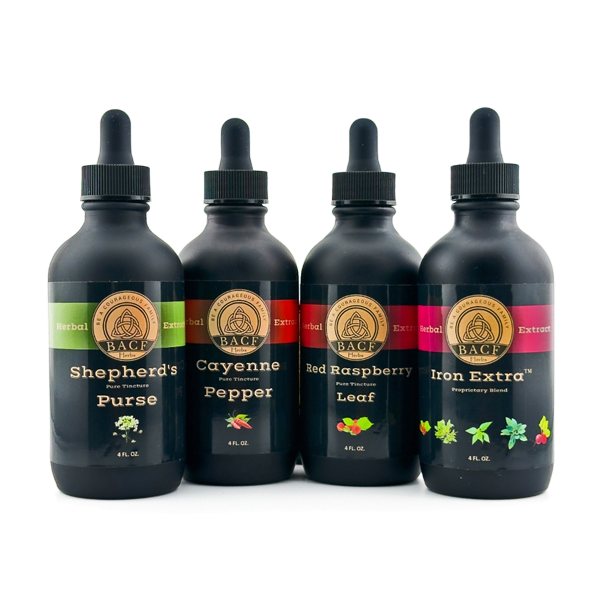
Herbal Tinctures
potent extracts
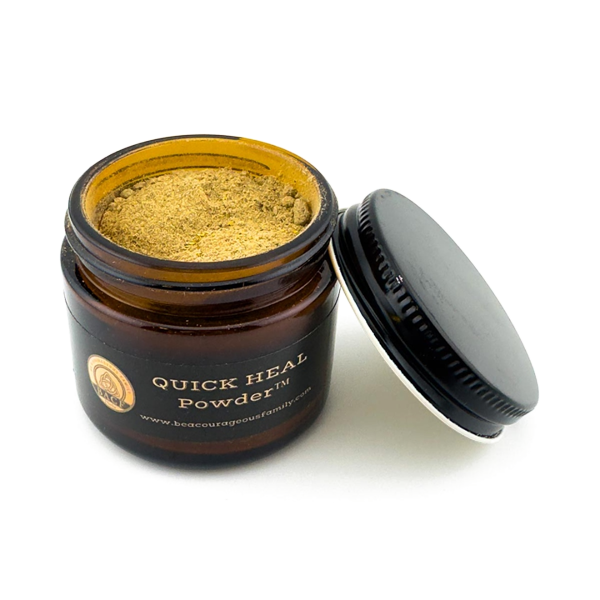
Herbal Powders
first aid essentials
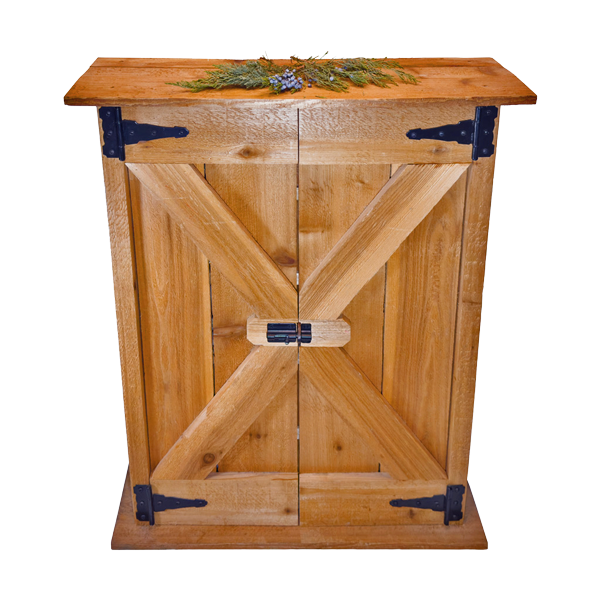
Apothecary Cabinet
store & organize
100% natural, organic or wildcrafted
Handcrafted in small batches
Made in the USA

The human immune system, closely intertwined with the lymphatic system, is a complex network of cells, tissues, and organs that work together to defend the body against infections, diseases, and other harmful invaders. Here’s a comprehensive description of the human immune and lymphatic systems:
Bone Marrow:
Thymus:
Lymphatic System:
Spleen:
White Blood Cells (Leukocytes):
Antibodies:
Defense Against Pathogens: Detects and destroys bacteria, viruses, fungi, parasites, and other pathogens that enter the body.
Surveillance and Recognition: Identifies and distinguishes between self and non-self antigens (foreign substances) to mount targeted immune responses.
Immune Memory: Remembers past infections or exposures to mount faster and more effective responses upon re-exposure to the same pathogen.
Inflammation: Mobilizes immune cells to sites of infection or tissue damage to contain and eliminate pathogens, promote healing, and restore tissue function.
Immune Regulation: Maintains tolerance to self-antigens to prevent autoimmune reactions (when the immune system mistakenly attacks the body’s own tissues).
Innate Immunity: Immediate, nonspecific defense mechanisms that respond to a wide range of pathogens. Includes physical barriers (like skin), phagocytic cells (neutrophils, macrophages), and inflammation.
Adaptive Immunity: Specific immune response tailored to particular pathogens. Involves T cells, B cells, and antibodies. Provides long-term protection and immunological memory.
Healthy Lifestyle: Eat a balanced diet rich in fruits, vegetables, lean proteins, and whole grains. Exercise regularly and maintain a healthy weight.
Adequate Sleep: Ensure sufficient rest to support immune function and recovery.
Hygiene Practices: Wash hands frequently, practice food safety, and maintain cleanliness to reduce exposure to pathogens.
Immunizations: Receive vaccinations to prevent infectious diseases and boost immune protection.
Stress Management: Practice stress-reduction techniques like meditation, yoga, and deep breathing to support immune health.
The immune and lymphatic systems work together to protect the body from infections and maintain overall health. Understanding their structure, functions, and mechanisms of action helps in promoting immune system resilience and managing immune-related disorders effectively.
Why this works
Every product starts with herbs that are either certified organic or wildcrafted by hand. No fillers, no synthetic additives, no shortcuts on sourcing.

Applied on newborns by mohels at circumcisions nationwide. Safe on broken skin and dirty wounds where most products can't go.

Our tinctures aren't ingredient lists. They're designed around specific outcomes. You choose the result you want, not the herb you've heard of.

All healing results are achieved with natural herbs only: no hemp, no CBD, no hemp-derived compounds of any kind. The herbs we use are powerful on their own.
Yes. The Soft Formula is applied by mohels at circumcisions across the country. It is gentle enough for newborn skin and safe on broken, open wounds.
Currently, we ship within the USA only. We receive interest from international customers and are working to expand access. If you're located outside the USA, please contact us. We'll be happy to review your request and consider international shipping on a case by case basis.
If you're unhappy with your order for any reason, return it within 30 days for a full refund or replacement. No hassle.
Many customers use it on pets and farm animals. The ingredients are natural and non-toxic. We recommend checking with a vet for specific conditions.
You save [X]% on every recurring order. You control the frequency and can pause or cancel anytime from your account.

