

Made from organic & wildcrafted herbs
Every product starts with herbs that are either certified organic or wildcrafted by hand. No fillers, no synthetic additives, no shortcuts on sourcing.

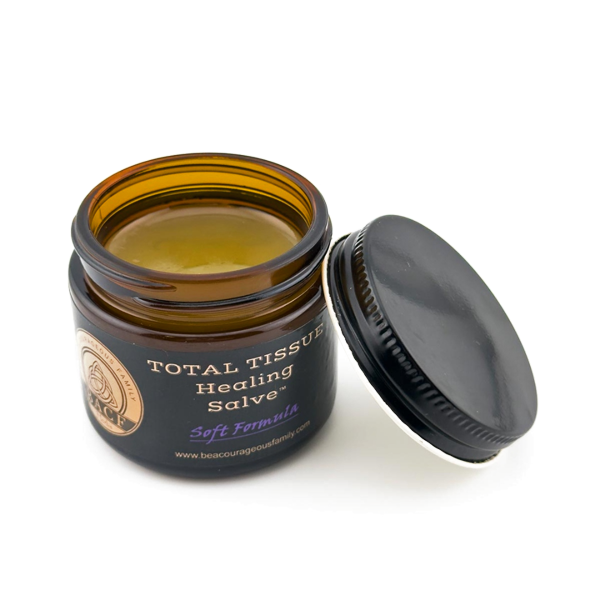
Herbal Salves
topical healing
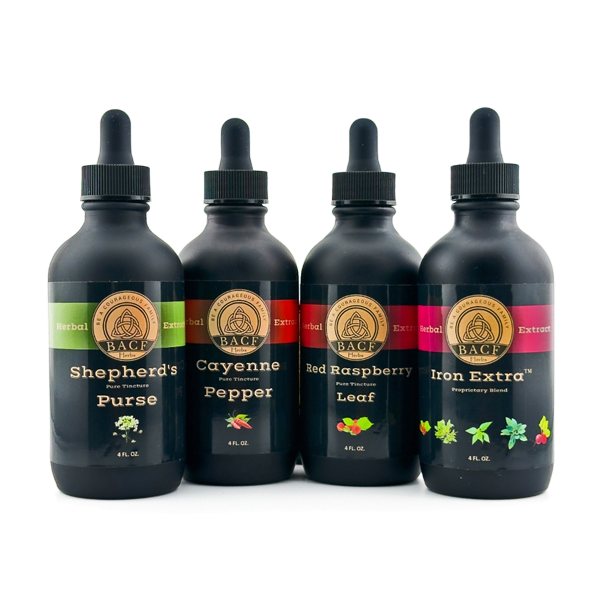
Herbal Tinctures
potent extracts
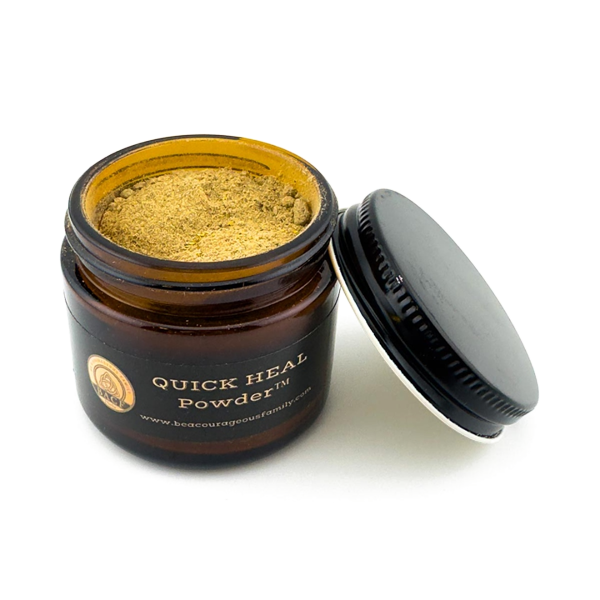
Herbal Powders
first aid essentials
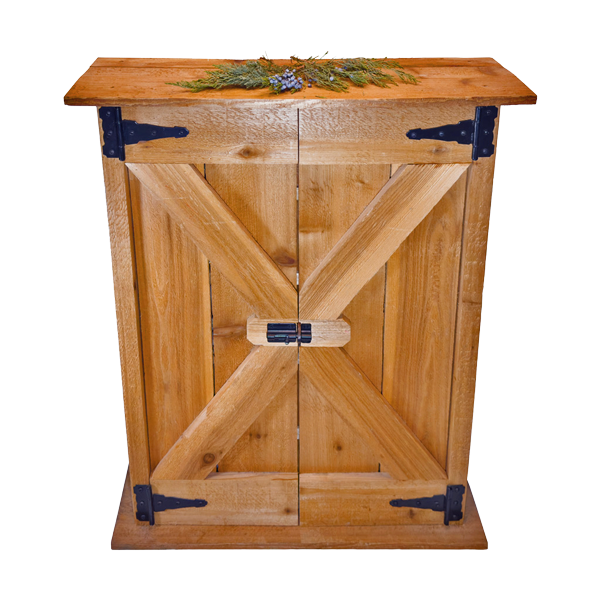
Apothecary Cabinet
store & organize
100% natural, organic or wildcrafted
Handcrafted in small batches
Made in the USA
No products found in this collection.
The human nervous system is a complex network of specialized cells (neurons) that coordinate and regulate the functions of the body. It can be divided into two main parts: the central nervous system (CNS) and the peripheral nervous system (PNS).
Brain:
Spinal Cord:
Somatic Nervous System:
Autonomic Nervous System (ANS):
Sensory Input: Reception of information from sensory receptors that detect stimuli both internally and externally.
Integration: Processing and interpretation of sensory inputs to make decisions or generate responses.
Motor Output: Activation of effectors (muscles or glands) to produce a response (movement or secretion).
Homeostasis: Regulation and maintenance of internal environment stability through autonomic functions.
Higher Cognitive Functions: Memory, learning, reasoning, and consciousness are primarily functions of the brain.
The nervous system is essential for coordinating all bodily functions, from basic reflexes to complex cognitive processes, ensuring the body can interact with and adapt to its environment effectively.
Why this works
Every product starts with herbs that are either certified organic or wildcrafted by hand. No fillers, no synthetic additives, no shortcuts on sourcing.

Applied on newborns by mohels at circumcisions nationwide. Safe on broken skin and dirty wounds where most products can't go.

Our tinctures aren't ingredient lists. They're designed around specific outcomes. You choose the result you want, not the herb you've heard of.

All healing results are achieved with natural herbs only: no hemp, no CBD, no hemp-derived compounds of any kind. The herbs we use are powerful on their own.
Yes. The Soft Formula is applied by mohels at circumcisions across the country. It is gentle enough for newborn skin and safe on broken, open wounds.
Currently, we ship within the USA only. We receive interest from international customers and are working to expand access. If you're located outside the USA, please contact us. We'll be happy to review your request and consider international shipping on a case by case basis.
If you're unhappy with your order for any reason, return it within 30 days for a full refund or replacement. No hassle.
Many customers use it on pets and farm animals. The ingredients are natural and non-toxic. We recommend checking with a vet for specific conditions.
You save [X]% on every recurring order. You control the frequency and can pause or cancel anytime from your account.

