Reproductive System

No products found in this collection.

The human reproductive system is responsible for the production of offspring through the union of male and female gametes (sperm and egg, respectively). It includes specialized organs and structures that facilitate fertilization and development of the embryo and fetus. Here's a detailed description of the male and female reproductive systems:

Male Reproductive System:

  1. Testes:

    • The testes are paired, oval-shaped glands located in the scrotum (external sac).
    • They produce sperm cells (spermatogenesis) and secrete testosterone, the primary male sex hormone.
  2. Epididymis:

    • The epididymis is a coiled tube located on the surface of each testis.
    • It stores and transports sperm from the testes to the vas deferens.
  3. Vas Deferens:

    • The vas deferens is a muscular tube that transports sperm from the epididymis to the ejaculatory duct during ejaculation.
  4. Seminal Vesicles and Prostate Gland:

    • Seminal vesicles and the prostate gland produce seminal fluid, which nourishes and protects sperm.
    • Seminal vesicles contribute fructose (energy source) and prostaglandins to semen.
    • The prostate gland secretes an alkaline fluid that neutralizes acidic vaginal pH, enhancing sperm motility.
  5. Ejaculatory Duct and Urethra:

    • The ejaculatory duct is formed by the union of the vas deferens and seminal vesicle duct.
    • It passes through the prostate gland and empties into the urethra.
    • The urethra serves as a passage for both urine and semen and extends through the penis.
  6. Penis:

    • The penis is the external male organ involved in sexual intercourse and urination.
    • It contains erectile tissue that fills with blood during sexual arousal, causing erection.

Female Reproductive System:

  1. Ovaries:

    • The ovaries are paired, almond-shaped glands located in the pelvic cavity.
    • They produce eggs (oocytes) through the process of oogenesis and secrete estrogen and progesterone, the primary female sex hormones.
  2. Fallopian Tubes (Oviducts):

    • The fallopian tubes are narrow tubes that extend from the ovaries to the uterus.
    • They transport eggs from the ovaries to the uterus and provide the site for fertilization.
  3. Uterus (Womb):

    • The uterus is a hollow, pear-shaped organ where fetal development occurs during pregnancy.
    • It consists of the fundus (upper part), body (main portion), and cervix (lower part opening into the vagina).
  4. Vagina:

    • The vagina is a muscular canal that extends from the cervix to the external genitalia.
    • It serves as a passageway for menstrual flow, receives the penis during intercourse, and serves as the birth canal during delivery.
  5. External Genitalia (Vulva):

    • The external genitalia include the labia (folds of skin), clitoris (sensitive organ for sexual arousal), and vaginal opening.
  6. Breasts:

    • Although not directly part of the reproductive system, the breasts play a role in lactation.
    • They contain mammary glands that produce milk for nourishing newborns.

Reproductive Functions:

  • Gametogenesis: The production of gametes (sperm and eggs) through meiosis.
  • Fertilization: Union of sperm and egg to form a zygote.
  • Pregnancy: Implantation and development of the embryo/fetus in the uterus.
  • Childbirth: Delivery of the baby through the birth canal (vagina).
  • Lactation: Production and secretion of milk by mammary glands to nourish the newborn.

Hormonal Regulation:

  • Male Hormones: Testosterone regulates spermatogenesis and secondary sexual characteristics (facial hair, deep voice).
  • Female Hormones: Estrogen and progesterone regulate the menstrual cycle, maintain pregnancy, and promote secondary sexual characteristics (breast development, wider hips).

Reproductive Disorders:

  • Male: Erectile dysfunction, infertility, prostate disorders.
  • Female: Menstrual disorders (irregular periods, menorrhagia), infertility, endometriosis, ovarian cysts, breast cancer.

Why this works

Made by a family who needed it first

Made from organic & wildcrafted herbs

Every product starts with herbs that are either certified organic or wildcrafted by hand. No fillers, no synthetic additives, no shortcuts on sourcing.

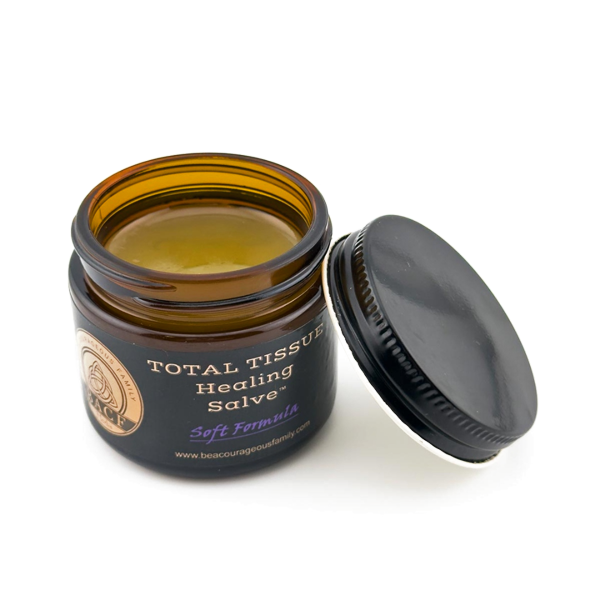
Safe on babies, effective on deep wounds

Applied on newborns by mohels at circumcisions nationwide. Safe on broken skin and dirty wounds where most products can't go.

Purpose-built formulas

Our tinctures aren't ingredient lists. They're designed around specific outcomes. You choose the result you want, not the herb you've heard of.

No hemp or CBD

All healing results are achieved with natural herbs only: no hemp, no CBD, no hemp-derived compounds of any kind. The herbs we use are powerful on their own.

Frequently Asked Questions

Yes. The Soft Formula is applied by mohels at circumcisions across the country. It is gentle enough for newborn skin and safe on broken, open wounds.

Currently, we ship within the USA only. We receive interest from international customers and are working to expand access. If you're located outside the USA, please contact us. We'll be happy to review your request and consider international shipping on a case by case basis.

If you're unhappy with your order for any reason, return it within 30 days for a full refund or replacement. No hassle.

Many customers use it on pets and farm animals. The ingredients are natural and non-toxic. We recommend checking with a vet for specific conditions.

You save [X]% on every recurring order. You control the frequency and can pause or cancel anytime from your account.