

Made from organic & wildcrafted herbs
Every product starts with herbs that are either certified organic or wildcrafted by hand. No fillers, no synthetic additives, no shortcuts on sourcing.

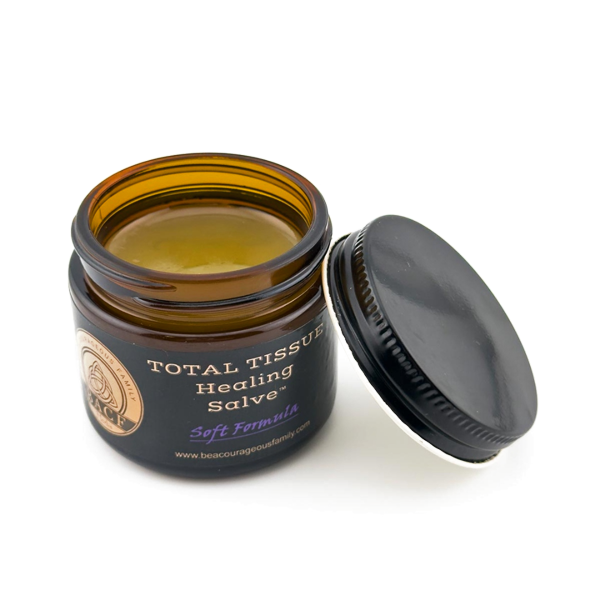
Herbal Salves
topical healing
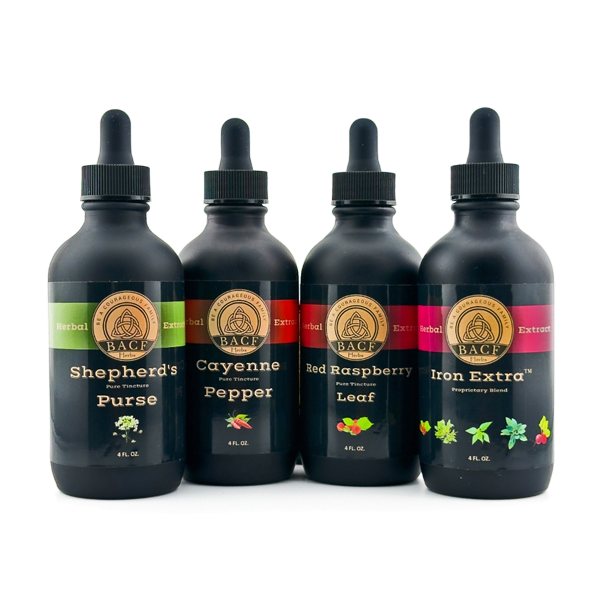
Herbal Tinctures
potent extracts
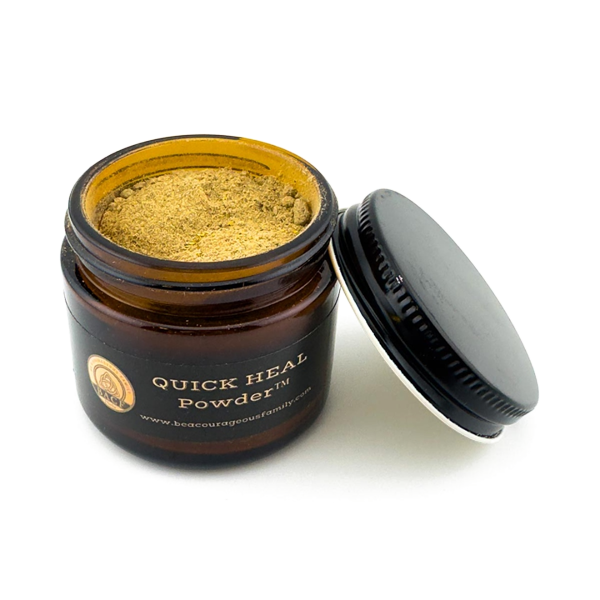
Herbal Powders
first aid essentials
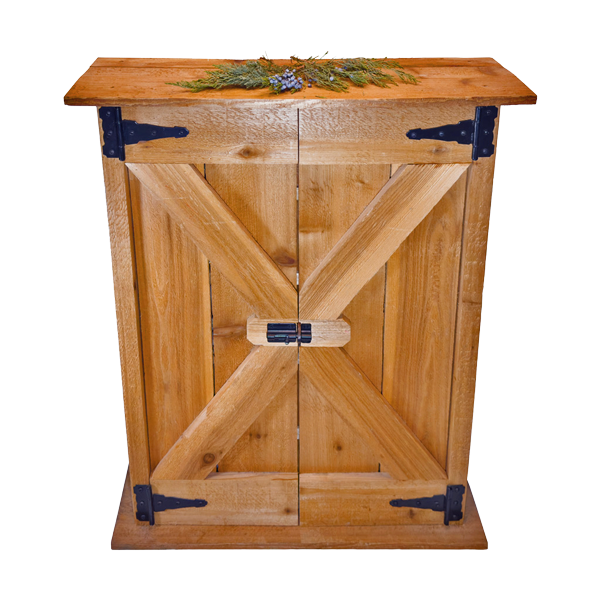
Apothecary Cabinet
store & organize
100% natural, organic or wildcrafted
Handcrafted in small batches
Made in the USA
No products found in this collection.
The human respiratory system is a vital organ system responsible for the exchange of gases between the body and the environment. It facilitates the intake of oxygen and the expulsion of carbon dioxide, crucial processes for cellular respiration and maintaining homeostasis. Here’s a comprehensive description of the human respiratory system:
Nose and Nasal Cavities:
Pharynx (Throat):
Larynx (Voice Box):
Trachea (Windpipe):
Bronchial Tree:
Lungs:
Alveoli:
Ventilation: The process of breathing involves inhalation (taking in air rich in oxygen) and exhalation (removing air rich in carbon dioxide).
Gas Exchange: In the alveoli, oxygen diffuses into the bloodstream (from the alveoli to the capillaries), and carbon dioxide diffuses out of the bloodstream into the alveoli (from capillaries to alveoli).
Regulation of pH: The respiratory system helps maintain the body's acid-base balance by regulating the levels of carbon dioxide (a weak acid) in the blood.
Sense of Smell: The nasal cavities house olfactory receptors that detect airborne chemicals, contributing to the sense of smell.
Sound Production: The larynx plays a crucial role in speech and vocalization by vibrating the vocal cords and modifying airflow.
The respiratory system is essential for sustaining life by supplying oxygen to tissues and removing carbon dioxide, supporting overall health and well-being. Disorders affecting the respiratory system can significantly impact quality of life.
Why this works
Every product starts with herbs that are either certified organic or wildcrafted by hand. No fillers, no synthetic additives, no shortcuts on sourcing.

Applied on newborns by mohels at circumcisions nationwide. Safe on broken skin and dirty wounds where most products can't go.

Our tinctures aren't ingredient lists. They're designed around specific outcomes. You choose the result you want, not the herb you've heard of.

All healing results are achieved with natural herbs only: no hemp, no CBD, no hemp-derived compounds of any kind. The herbs we use are powerful on their own.
Yes. The Soft Formula is applied by mohels at circumcisions across the country. It is gentle enough for newborn skin and safe on broken, open wounds.
Currently, we ship within the USA only. We receive interest from international customers and are working to expand access. If you're located outside the USA, please contact us. We'll be happy to review your request and consider international shipping on a case by case basis.
If you're unhappy with your order for any reason, return it within 30 days for a full refund or replacement. No hassle.
Many customers use it on pets and farm animals. The ingredients are natural and non-toxic. We recommend checking with a vet for specific conditions.
You save [X]% on every recurring order. You control the frequency and can pause or cancel anytime from your account.

