Skeletal System

No products found in this collection.

The human skeletal system is a framework of bones and cartilage that supports the body, protects internal organs, facilitates movement, stores minerals, and produces blood cells. It consists of several hundred individual bones and various connective tissues. Here's a detailed description of the human skeletal system:

Components of the Skeletal System:

  1. Bones:

    • Structure: Bones are rigid organs made of dense connective tissue (osseous tissue) composed of cells (osteocytes) embedded in a matrix of collagen fibers and mineral salts (calcium phosphate).
    • Types: There are two main types of bone tissue:
      • Compact Bone: Dense and solid, forming the outer layer of bones.
      • Spongy (Cancellous) Bone: Less dense with a honeycomb-like structure, found inside bones and at the ends (epiphyses) of long bones.
    • Classification: Bones are classified into four categories based on shape:
      • Long Bones: Found in the limbs (e.g., femur, humerus) and provide support and movement.
      • Short Bones: Found in the wrists and ankles (e.g., carpals, tarsals), providing stability and support.
      • Flat Bones: Thin and flat, protecting internal organs and providing surface area for muscle attachment (e.g., skull bones, ribs).
      • Irregular Bones: Complex shapes, serving various functions (e.g., vertebrae, facial bones).
  2. Cartilage:

    • Structure: Cartilage is a flexible, avascular connective tissue made of collagen and elastin fibers embedded in a gel-like matrix.
    • Types: There are three main types of cartilage in the body:
      • Hyaline Cartilage: Found at the ends of long bones, in the nose, trachea, and larynx; provides support and reduces friction between bones.
      • Elastic Cartilage: Contains more elastic fibers, found in the external ear and epiglottis; provides flexibility and support.
      • Fibrocartilage: Contains dense collagen fibers, found in intervertebral discs and the knee joint; provides shock absorption and support.

Functions of the Skeletal System:

  1. Support and Structure:

    • Provides a rigid framework that supports the body's soft tissues and organs.
    • Maintains body shape and posture.
  2. Protection:

    • Surrounds and protects vital organs from injury and damage (e.g., skull protects the brain, rib cage protects the heart and lungs).
  3. Movement:

    • Bones act as levers that muscles pull on to produce movement.
    • Joints facilitate movement by allowing bones to articulate and move against each other.
  4. Mineral Storage:

    • Stores minerals such as calcium and phosphorus, which are essential for bone strength and metabolism.
    • Releases minerals into the bloodstream as needed for bodily functions.
  5. Blood Cell Production:

    • Bone marrow, found inside certain bones (e.g., femur, pelvis, sternum), produces red blood cells, white blood cells, and platelets through a process called hematopoiesis.
  6. Energy Storage:

    • Yellow bone marrow, found in the medullary cavity of long bones, stores fat and serves as an energy reserve.

Skeletal System Development and Maintenance:

  • Bone Growth: During childhood and adolescence, bones grow and develop through a process called ossification, where cartilage is replaced by bone tissue.
  • Bone Remodeling: Throughout life, bones undergo remodeling, where old bone tissue is replaced by new bone tissue. This process helps maintain bone strength and repair micro-damage.
  • Joint Health: Proper joint function and mobility depend on the health of the bones, cartilage, ligaments, and synovial fluid.

Disorders of the Skeletal System:

  • Fractures: Breaks or cracks in bones due to injury or trauma.
  • Osteoporosis: Condition characterized by loss of bone density and increased risk of fractures.
  • Arthritis: Inflammation and degeneration of joints, causing pain and stiffness.
  • Scoliosis: Abnormal curvature of the spine, often appearing during growth spurts in adolescence.
  • Bone Cancer: Cancerous tumors that originate in bones or spread to bones from other parts of the body.

Maintaining skeletal health involves adequate nutrition (especially calcium and vitamin D) and regular weight-bearing exercise.

Why this works

Made by a family who needed it first

Made from organic & wildcrafted herbs

Every product starts with herbs that are either certified organic or wildcrafted by hand. No fillers, no synthetic additives, no shortcuts on sourcing.

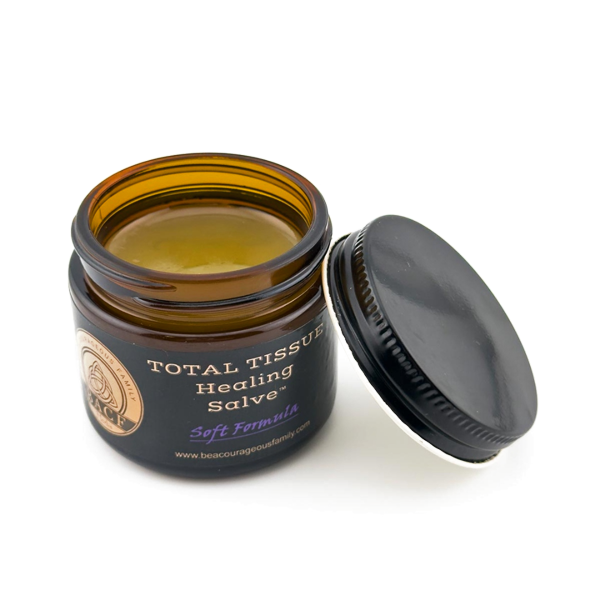
Safe on babies, effective on deep wounds

Applied on newborns by mohels at circumcisions nationwide. Safe on broken skin and dirty wounds where most products can't go.

Purpose-built formulas

Our tinctures aren't ingredient lists. They're designed around specific outcomes. You choose the result you want, not the herb you've heard of.

No hemp or CBD

All healing results are achieved with natural herbs only: no hemp, no CBD, no hemp-derived compounds of any kind. The herbs we use are powerful on their own.

Frequently Asked Questions

Yes. The Soft Formula is applied by mohels at circumcisions across the country. It is gentle enough for newborn skin and safe on broken, open wounds.

Currently, we ship within the USA only. We receive interest from international customers and are working to expand access. If you're located outside the USA, please contact us. We'll be happy to review your request and consider international shipping on a case by case basis.

If you're unhappy with your order for any reason, return it within 30 days for a full refund or replacement. No hassle.

Many customers use it on pets and farm animals. The ingredients are natural and non-toxic. We recommend checking with a vet for specific conditions.

You save [X]% on every recurring order. You control the frequency and can pause or cancel anytime from your account.