Urinary/Renal System

Urinary/Renal System

1 Product

Filters
Sort By
Sold Out
Bladder & Kidney™ Tincture - Be A Courageous Family

The human urinary system, also known as the renal system, consists of organs that produce, store, and eliminate urine from the body. Its primary functions include filtering blood to remove metabolic waste products, regulating electrolyte balance, maintaining blood pressure, and controlling red blood cell production. Here’s a detailed description of the human urinary system:

Components of the Urinary System:

  1. Kidneys:

    • Structure: The kidneys are bean-shaped organs located near the middle of the back, just below the rib cage. Each kidney is composed of millions of nephrons, the functional units responsible for filtering blood and forming urine.
    • Function:
      • Filtration: Nephrons filter waste products and excess substances (e.g., urea, creatinine, potassium) from the blood, forming a fluid called filtrate.
      • Reabsorption: Essential substances (e.g., water, glucose, electrolytes) are reabsorbed back into the bloodstream from the filtrate to maintain body homeostasis.
      • Secretion: Additional substances (e.g., hydrogen ions, drugs) are actively secreted from the blood into the filtrate.
    • Regulation: Kidneys regulate blood pressure by secreting renin, a hormone that helps control blood pressure and kidney function, and producing erythropoietin, a hormone that stimulates red blood cell production in the bone marrow.
  2. Ureters:

    • Structure: Two muscular tubes (one from each kidney) that transport urine from the kidneys to the bladder.
    • Function: Peristaltic contractions of the ureter walls move urine toward the bladder, preventing urine reflux back into the kidneys.
  3. Urinary Bladder:

    • Structure: A hollow, muscular organ located in the pelvis that stores urine until it is expelled from the body.
    • Function: The bladder expands as it fills with urine, and its muscular walls contract during urination to expel urine through the urethra.
  4. Urethra:

    • Structure: A tube that extends from the bladder to the outside of the body.
    • Function: The urethra serves as a passageway for urine to exit the body. In males, it also functions as the conduit for semen during ejaculation.

Functions of the Urinary System:

  1. Excretion of Waste Products: Removes metabolic wastes (e.g., urea, uric acid, creatinine) and excess substances (e.g., electrolytes) from the bloodstream.

  2. Regulation of Fluid and Electrolyte Balance:

    • Water Balance: Controls the concentration of water in the body by adjusting urine volume based on fluid intake and loss.
    • Electrolyte Balance: Regulates levels of electrolytes (e.g., sodium, potassium, calcium) to maintain proper cell function and overall health.
  3. Acid-Base Balance: Regulates pH balance in the blood by excreting hydrogen ions and reabsorbing bicarbonate ions.

  4. Blood Pressure Regulation: Produces hormones like renin to help regulate blood pressure through mechanisms involving fluid and electrolyte balance.

  5. Red Blood Cell Production: Produces erythropoietin, which stimulates the bone marrow to produce red blood cells (erythropoiesis).

Urine Formation Process:

  • Filtration: Blood enters the kidney through the renal artery, where it is filtered in the glomerulus (a network of capillaries in the nephron) to form filtrate.
  • Reabsorption: Essential substances such as water, glucose, and electrolytes are reabsorbed from the filtrate back into the bloodstream in the renal tubules.
  • Secretion: Additional substances (e.g., drugs, ions) are actively secreted from the bloodstream into the renal tubules.
  • Concentration: The remaining filtrate is further concentrated into urine as it moves through the collecting ducts.

Disorders of the Urinary System:

  • Urinary Tract Infections (UTIs): Bacterial infections affecting the bladder (cystitis) or kidneys (pyelonephritis), causing pain, frequent urination, and fever.
  • Kidney Stones: Hard deposits of minerals and salts that form within the kidneys or urinary tract, causing severe pain during urination.
  • Chronic Kidney Disease: Progressive loss of kidney function over time, often due to diabetes, hypertension, or glomerulonephritis.
  • Urinary Incontinence: Inability to control urine flow, leading to involuntary leakage.
  • Renal Failure: Severe impairment or loss of kidney function, requiring dialysis or kidney transplantation for survival.

Maintaining Urinary System Health:

  • Hydration: Drink plenty of fluids to maintain adequate urine production and prevent dehydration.
  • Balanced Diet: Consume a diet low in sodium and rich in fruits, vegetables, and whole grains to support kidney function and overall health.
  • Regular Exercise: Promotes circulation and overall cardiovascular health, which supports kidney function.
  • Avoidance of Smoking and Excessive Alcohol: Both can contribute to kidney damage and impairment of urinary system function.

The urinary system plays a vital role in maintaining homeostasis by filtering blood, regulating fluid and electrolyte balance, and eliminating waste products from the body. Proper care is crucial for preserving kidney function and overall urinary system health.

Why this works

Made by a family who needed it first

Made from organic & wildcrafted herbs

Every product starts with herbs that are either certified organic or wildcrafted by hand. No fillers, no synthetic additives, no shortcuts on sourcing.

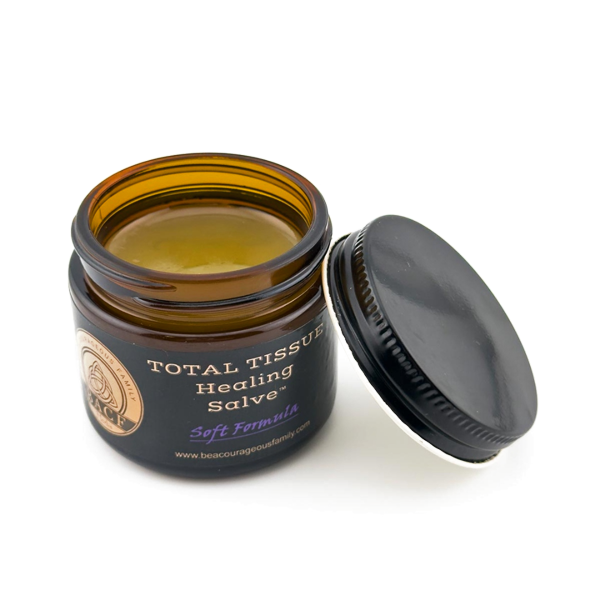
Safe on babies, effective on deep wounds

Applied on newborns by mohels at circumcisions nationwide. Safe on broken skin and dirty wounds where most products can't go.

Purpose-built formulas

Our tinctures aren't ingredient lists. They're designed around specific outcomes. You choose the result you want, not the herb you've heard of.

No hemp or CBD

All healing results are achieved with natural herbs only: no hemp, no CBD, no hemp-derived compounds of any kind. The herbs we use are powerful on their own.

Frequently Asked Questions

Yes. The Soft Formula is applied by mohels at circumcisions across the country. It is gentle enough for newborn skin and safe on broken, open wounds.

Currently, we ship within the USA only. We receive interest from international customers and are working to expand access. If you're located outside the USA, please contact us. We'll be happy to review your request and consider international shipping on a case by case basis.

If you're unhappy with your order for any reason, return it within 30 days for a full refund or replacement. No hassle.

Many customers use it on pets and farm animals. The ingredients are natural and non-toxic. We recommend checking with a vet for specific conditions.

You save [X]% on every recurring order. You control the frequency and can pause or cancel anytime from your account.